


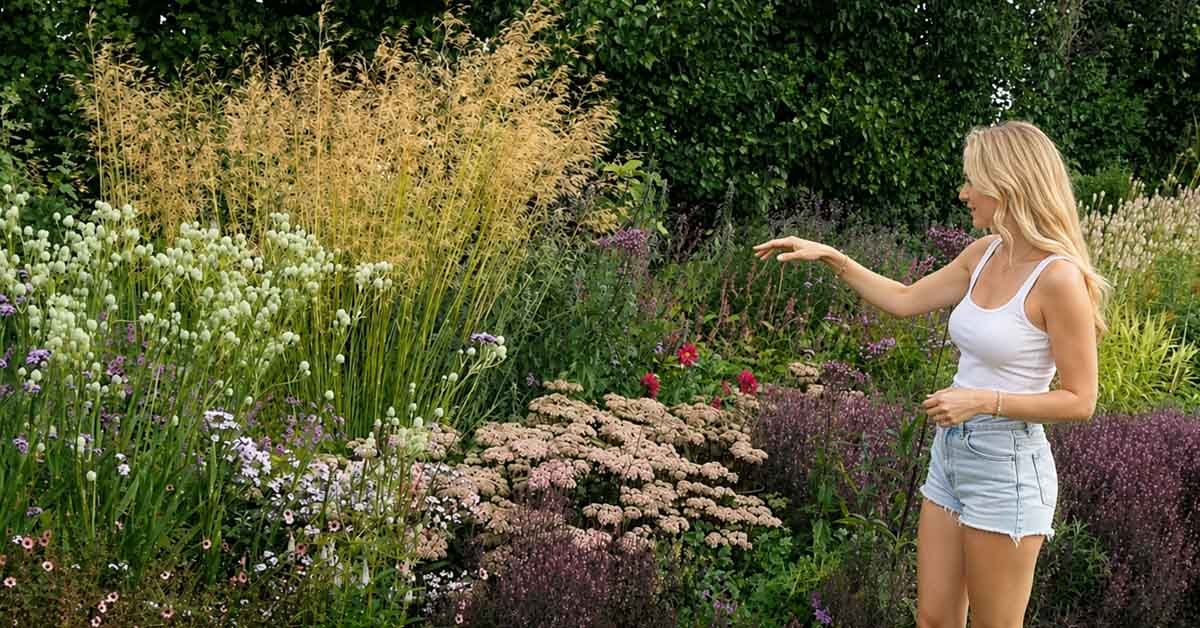
Not all gardeners want a garden that requires constant care. All you want sometimes is a border that looks good and fills without complaint, and that will pass a missed watering or two without complaint. The plants listed below have risen to fame because of their ability to survive under dry conditions, on poor soil, in the heat of the day, and with some neglect, and still look better every year.
From lining walkways, outlining patios, to filling in the space between lawn and fence, these 11 perennials are as easy to forget about as gardening gets.
You May Like: The No-Fuss Guide to Planting a Perennial Border That Gets Better Every Year
1. Catmint
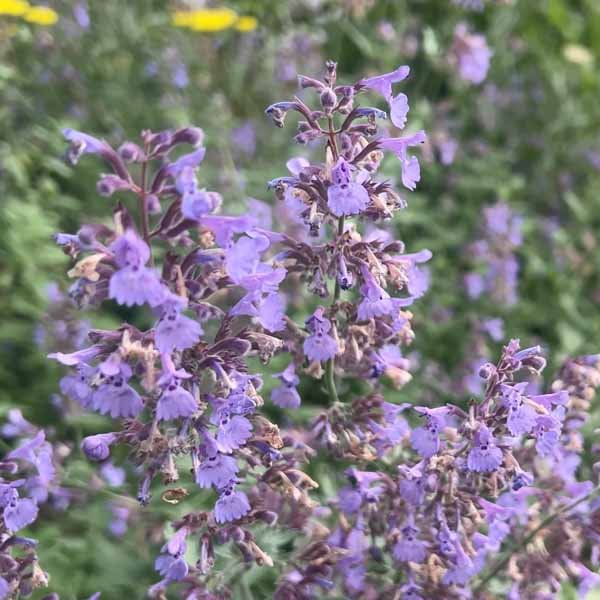
Catmint is among the simplest plants to grow for the border. It can withstand dry conditions, doesn’t require heavy soil, and produces soft purple-blue spikes from late spring until late summer. Bonus: it is a favorite of bees and pollinators, and deer tend not to touch it. If you shear off the first flush, it can lead to a second bloom.
2. Coreopsis
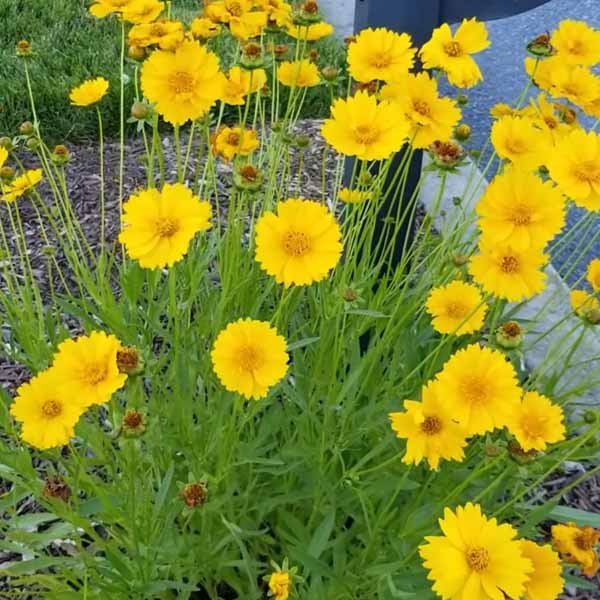
Coreopsis, also known as tickseed, features bright yellow, daisy-like blooms on wiry stalks that require little to no staking. It grows in poor, sandy soil and continues to flower during hot summer weather when other ornamental plants might not survive. Coreopsis will hold up well without deadheading, but deadheading will prolong the show.
3. Russian Sage
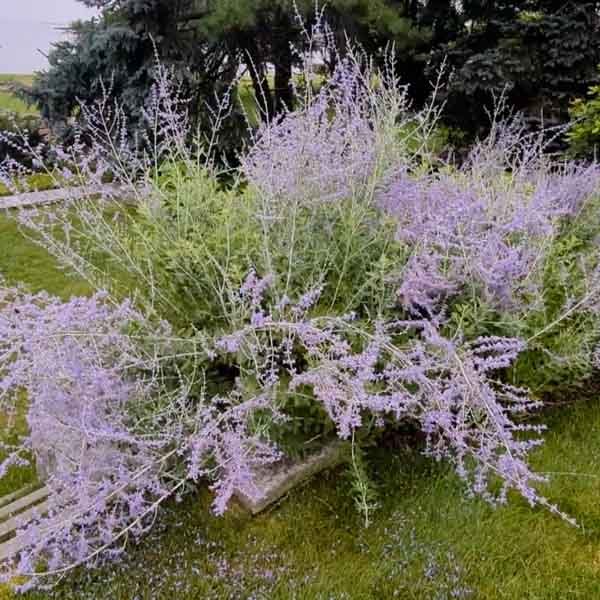
Russian sage adds texture and movement to a border, with little return, for its silver stems and small lavender-blue flowerings. It is really dry-loving rather than damp-loving and is a good choice for the hot and sunny sites where other plants may struggle. Allow room, as it will spread out more than is shown in the nursery pot.
4. Daylily
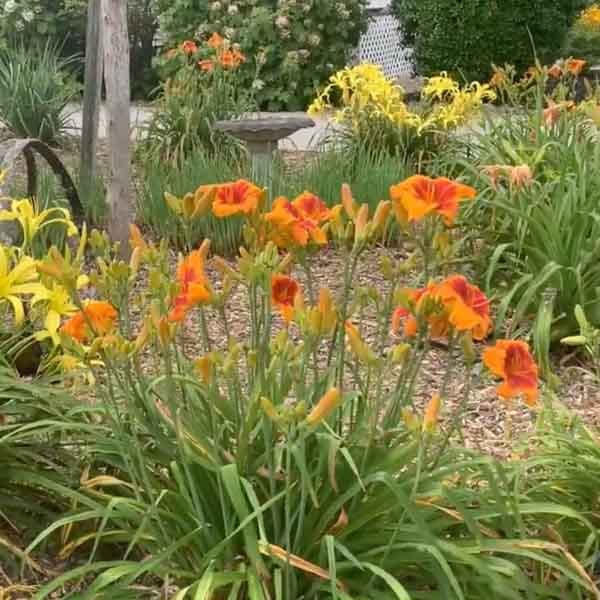
The daylily is one of the most tolerant perennials. It is heat, soil, drought, and care-resistant and regrows annually. The flowers last for just one day (hence the name), but each plant has numerous buds so that the display lasts for weeks. Daylilies can also divide easily, and a single clump can turn into several free plants in time.
5. Lavender
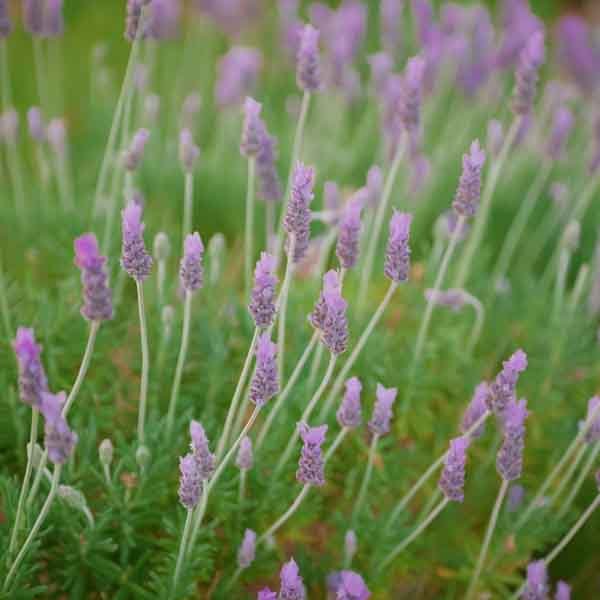
Lavender is a stalwart border plant that is averse to rich, moist soil and thrives best when it is left to itself in poor, well-drained soil. It also adds silvery foliage, which looks great between flowerings, as well as fragrant purple spikes. Trim off the leaves after flowering to keep the plant compact and promote new growth.
6. Bergenia
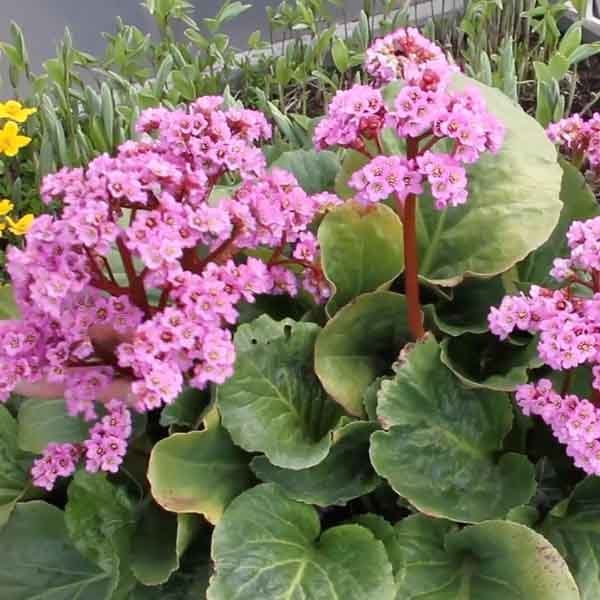
Bergenia is valued for its cabbage-like, bold, showy leaves that can be rubbed to make a “pig squeak” sound and persist into the winter after other perennials have died back. During early spring, it produces a bunch of pink or white flowers on a short stem. It is more tolerant of poor soils and part shade than other plants listed on the border.
7. Yarrow
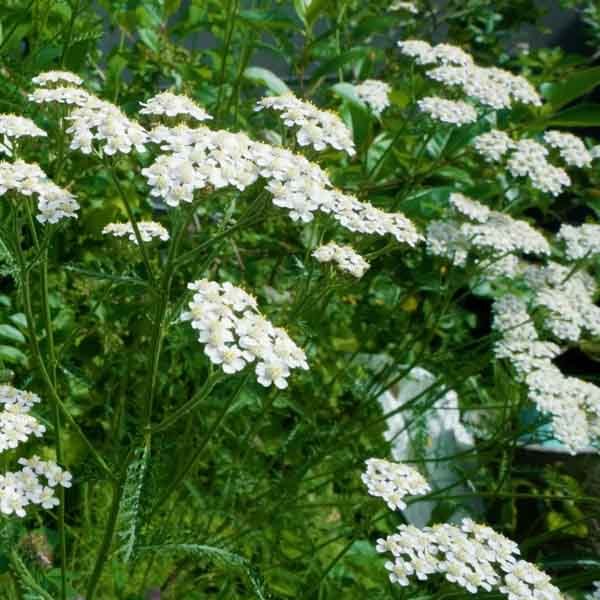
The clusters of very small flowers on Yarrow are flat and are borne above ferny, aromatic foliage, and the plant is exceptionally tolerant of drought, poor soil, and neglect. This is easily propagated and can be used to quickly fill in bare areas, but may require periodic division to control its size. The common colors are white, yellow, and soft pink.
8. Sedum (Stonecrop)
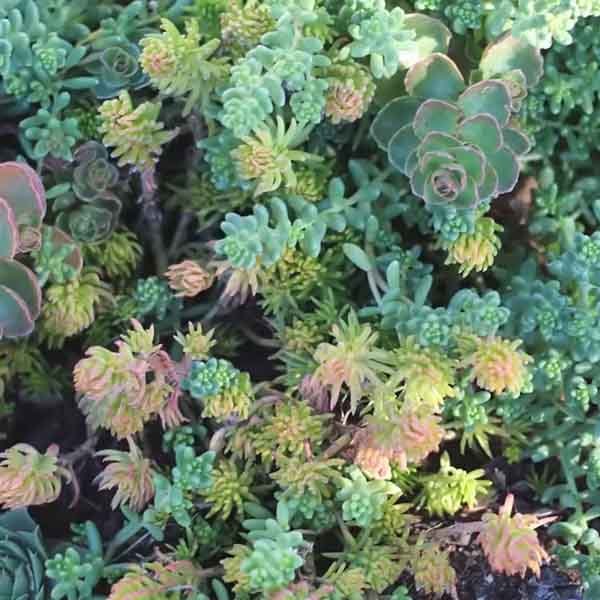
The thick, fleshy leaves store water, and that’s why Sedum is such a drought-tolerant plant — it’s like a mini succulent. Taller varieties such as ‘Autumn Joy’ have broad flower heads which begin pale green, turn pink and end in rust-red in the fall, lending colour to the border throughout the season.
9. Black-Eyed Susan
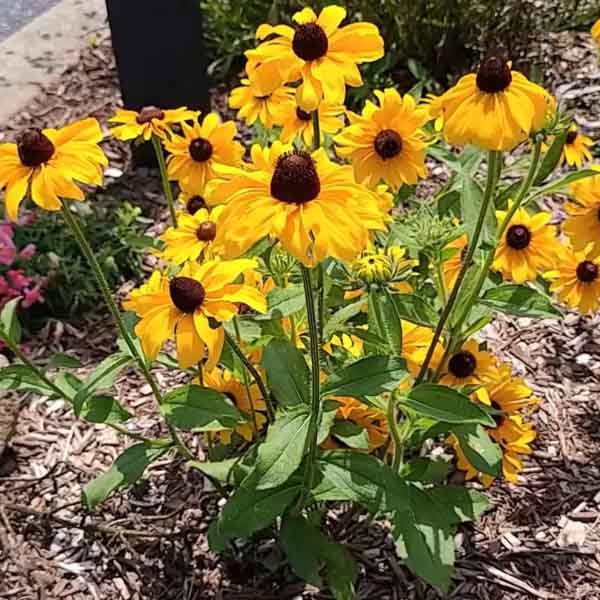
Black-eyed Susan is a very easy-to-care-for flowering perennial. Easy to establish, adaptable to soil conditions, and an early bloomer of gold and brown, it self-sows easily. This plant will do much to fill in the border, if that is what you wish, and will do so naturally over several seasons.
10. Coneflower
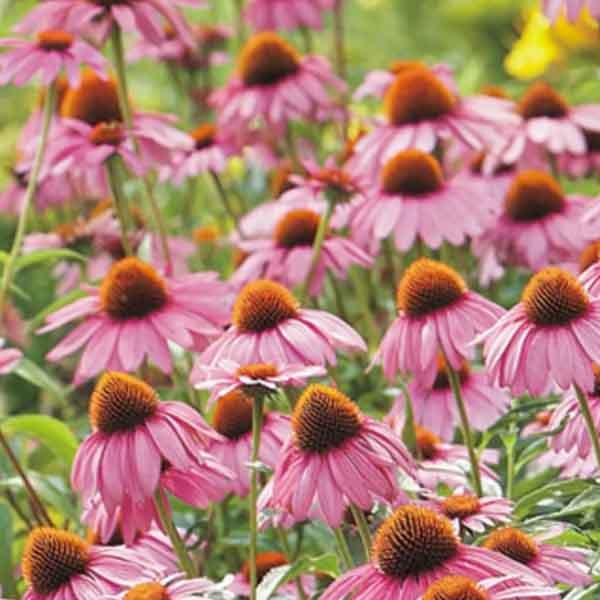
Coneflower (echinacea) is a border roadrunner — it’s easy to grow, hardly demanding and attracts butterflies and bees. Letting fruit heads stand over the fall and winter months also provides birds with food and helps to add winter interest to the bed when all else is silent.
11. Thrift
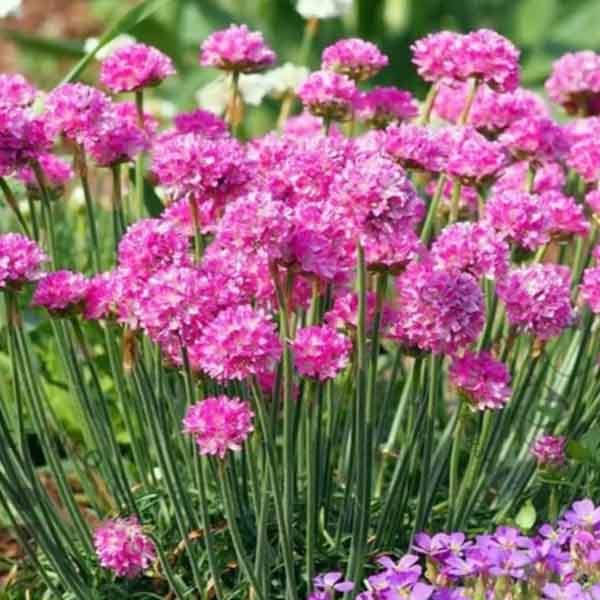
Sea thrift grows in attractive grassy mounds, with small pink or white pom-pom flowers appearing in late spring. A coastal plant, it is naturally well equipped to withstand tough, salty, well-drained conditions, and is thus very tolerant of drought and neglect in a normal garden border. It is also relatively compact, which makes it a good front-of-border species.
Putting Them Together
If you are creating a border using this list of pairs, here are a couple of suggestions:
- Lavender, Russian sage and sedum can take baking sun and little water in return, making them the driest, sunniest.
- Sea thrift, coreopsis and bergenia keep to the ground when grown near the border.
- To keep something blooming year-round, mix long-season color in the daylily (early summer), coneflower/black-eyed Susan (midsummer), and sedum (fall).
- Part-shade tolerance: Bergenia and yarrow are the most tolerant if you have a part-shade area in your border.
None of these plants require ongoing maintenance, regular fertilizing, or deadheading to be attractive. Water them in during their first season, while the roots are establishing, and allow them to be mostly ignored; that’s the beauty of them.
