


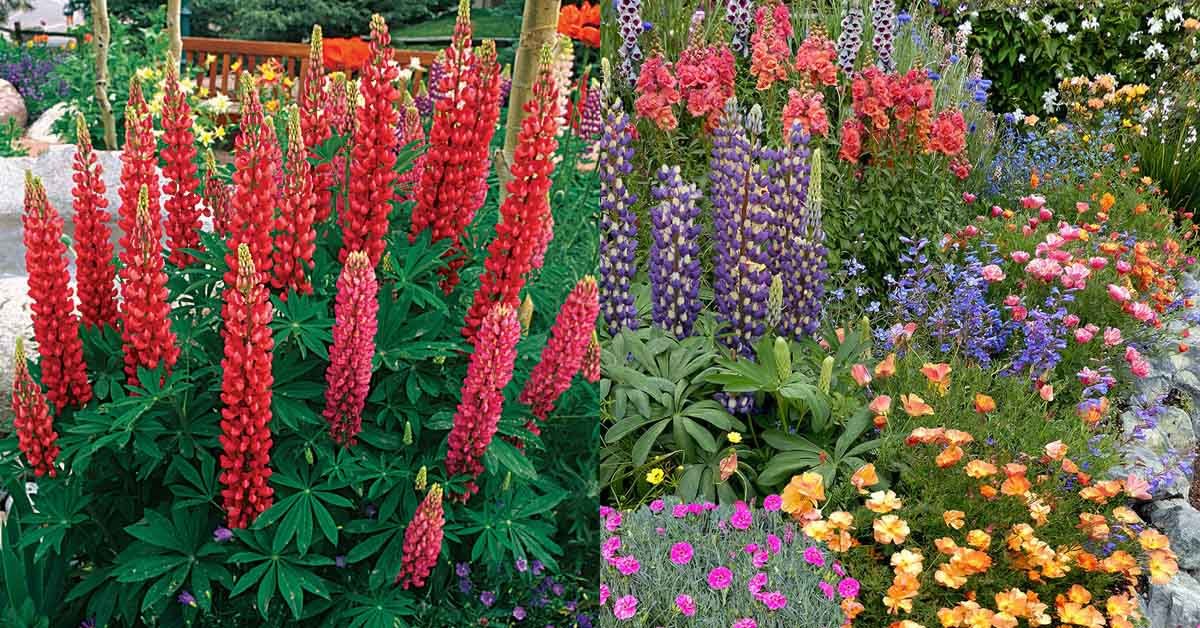
Coddling is necessary for some plants. These don’t. These are perennials known for surviving harsh winters, hot summers, drought, and poor soils—and producing a bumper crop of flowers when it’s time. If you desire a garden that will serve you for years with little maintenance, here is the list to shop from.
Before you get started, note that many of these plants grow in full-size and compact/dwarf options. For planting at the front of a border or in a smaller area, see the plant tag for a dwarf variety before taking the size listed below for granted.
01. Daylily
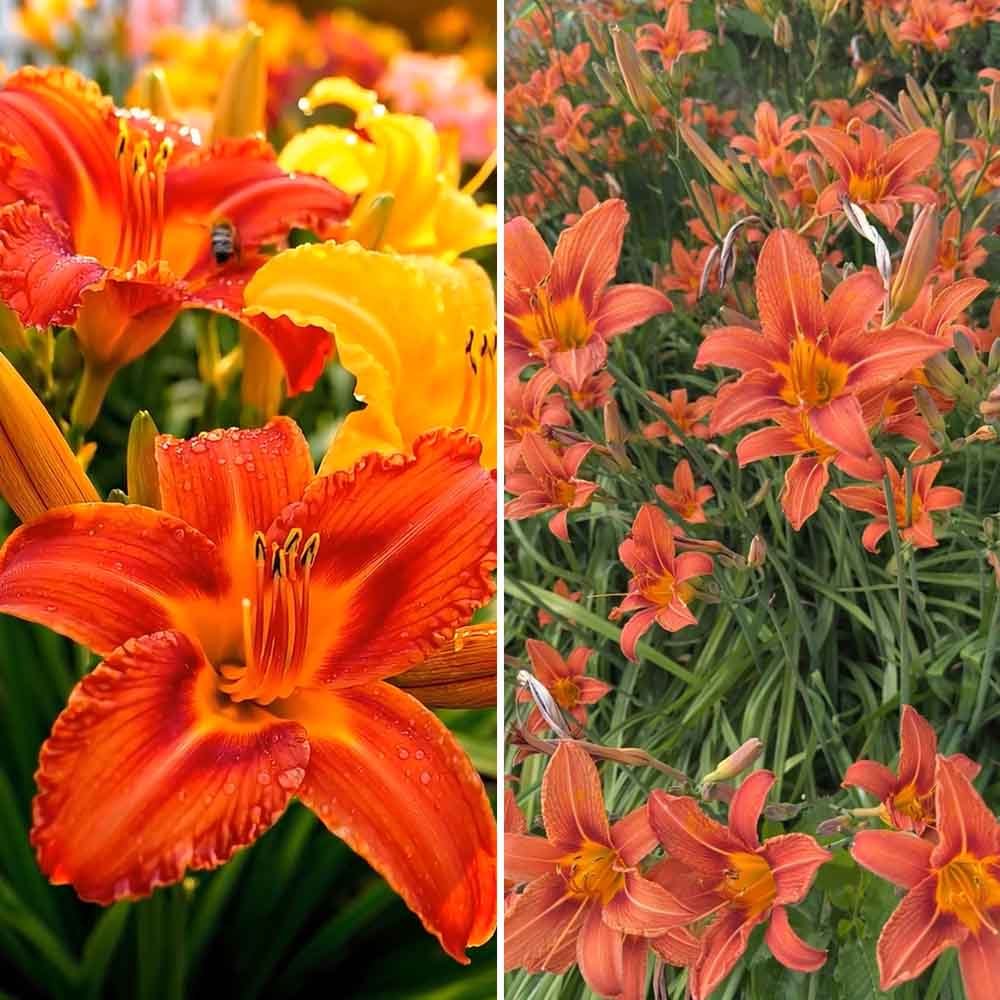
Daylilies are nearly indestructible—a flowering perennial. They’re drought-tolerant, insect-proof, and produce a huge variety of colors throughout the growing season. A combination of early, mid, and late-bloomers ensures color from spring to fall.
Growing Conditions: Full sun to part shade; tolerates most soil types
Size: 1–3 feet tall and wide
Zones: 3–10
02. Coneflower
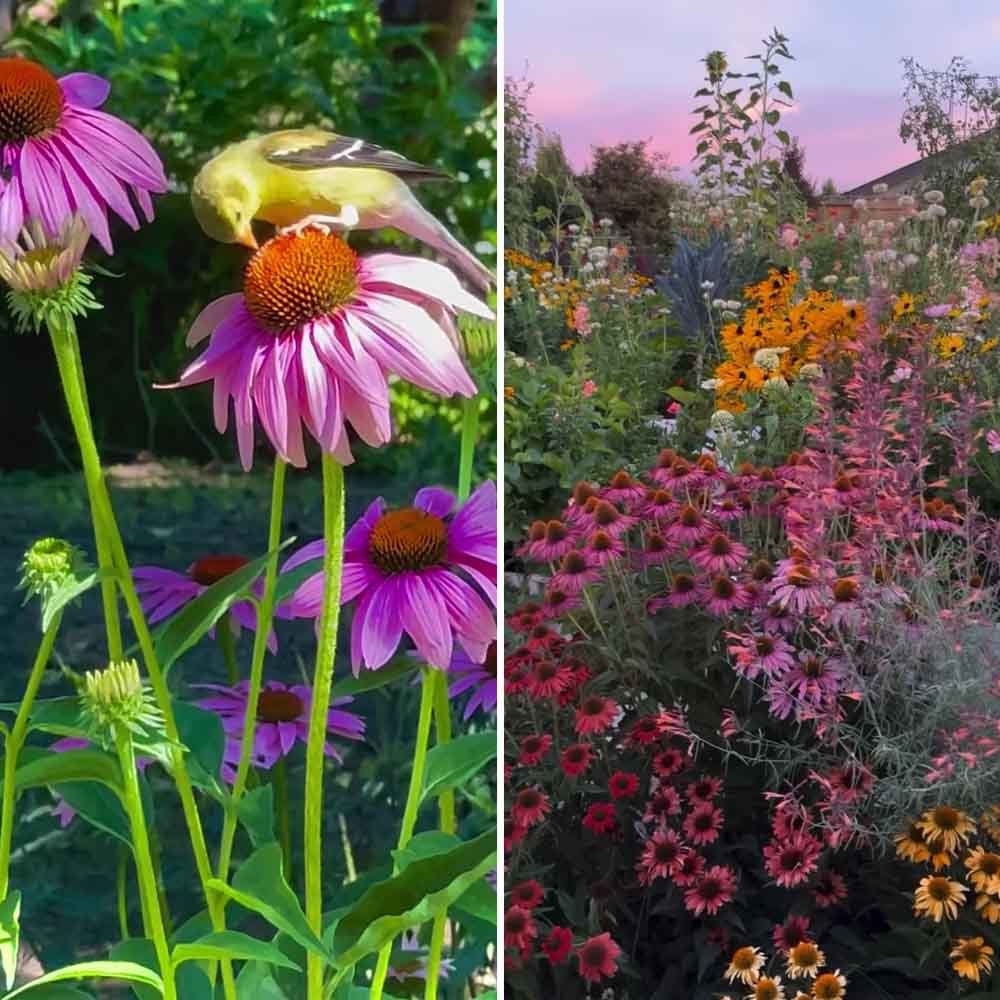
Coneflower is a low-maintenance pollinator magnet! When established, it is tolerant of poor soil and tolerates drought, and the seed heads can remain standing for the winter to provide structure and food for birds.
Growing Conditions: Full sun; well-drained soil
Size: 2–5 feet tall, 1–2 feet wide
Zones: 3–9
03. Sedum
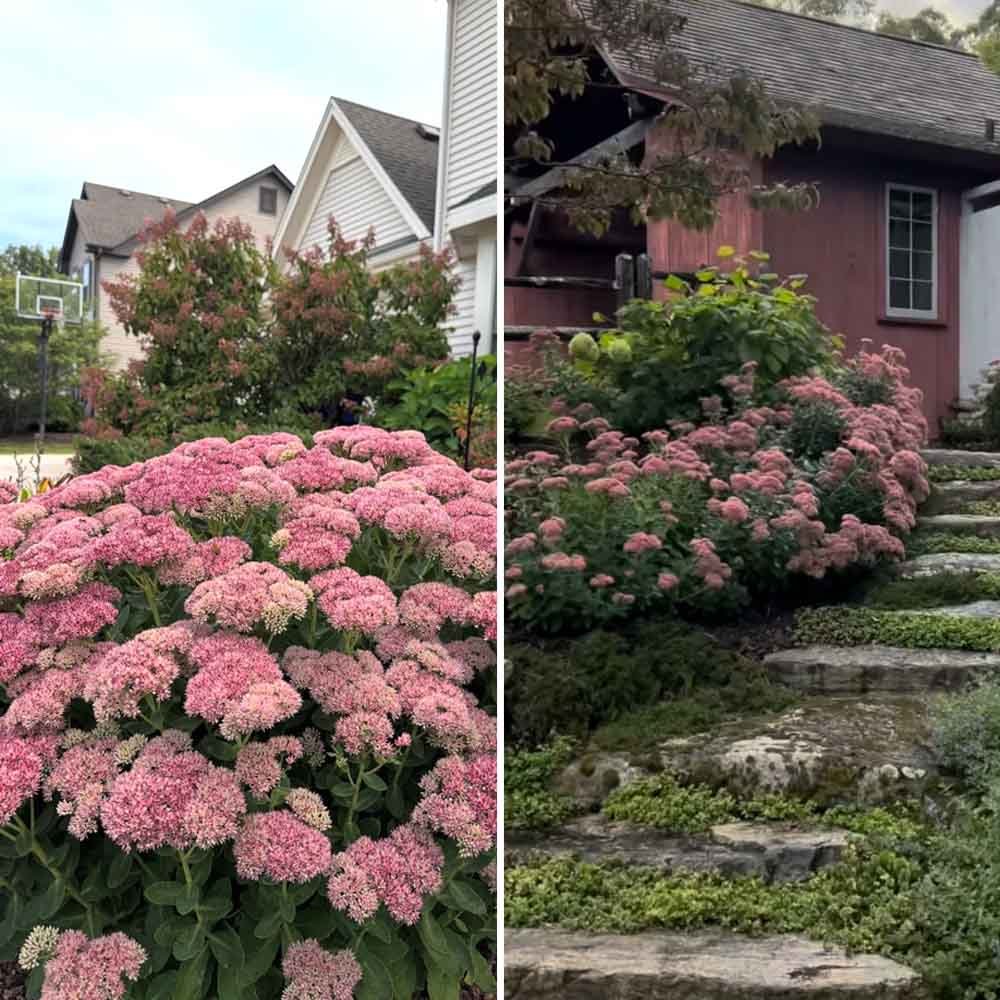
Sedum is one of the most drought-resistant perennials that includes thick leaves packed with water. The broad flower clusters turn colors throughout the season, adding to late-season interest in the garden when other plants are finishing.
Growing Conditions: Full sun; well-drained soil
Size: 3 inches to 2 feet tall, depending on variety
Zones: 3–9
04. Black-Eyed Susan
Black-eyed Susan is hardy and easily self-sown, and it grows in a variety of conditions. If you’re looking for a bed that can be filled in over a couple of seasons with minimal effort, it’s a good one to consider.
Growing Conditions: Full sun to light shade; adaptable soil
Size: 1–3 feet tall and wide
Zones: 3–9
05. Russian Sage
The silvery stems and the display of small blue-purple flowers provide a movement and texture for the border with minimal maintenance. Russian sage does indeed thrive in dry soils and may have problems if soils remain moist at all times.
Growing Conditions: Full sun; well-drained, lean soil S
ize: 2–4 feet tall, 2–3 feet wide
Zones: 4–9
06. Catmint
Catmint is more tolerant of dry conditions and low fertility than most of the flowering perennials, and a pruned plant after the first flowering cycle may produce a second flowering. They enjoy the pollinators and are usually ignored by deer.
Growing Conditions: Full sun; well-drained soil.
Size: 1–3 feet tall and wide.
Zones: 3–8.
07. Yarrow
Elegant clusters of small blossoms are mounted atop aromatic, ferny foliage that is very unpretentious. Yarrow is a rapid grower and helps fill in spaces but may require some division to prevent it from spreading too far.
Growing Conditions: Full sun; tolerates poor, dry soil.
Size: 2–4 feet tall, 2–3 feet wide.
Zones: 3–9.
08. Bee Balm
Hummingbirds and butterflies love bee balm for its colorful tufted flowers. It can grow in a variety of soils and is relatively resistant to powdery mildew that may be a problem for less hardy plants in humid regions.
Growing Conditions: Full sun to part shade; moist, well-drained soil.
Size: 2–4 feet tall, 1–3 feet wide.
Zones: 4–9.
09. Shasta Daisy
Shasta daisy is a simple, sunny classic white-petaled, yellow-centered flower. It is tolerant of average soil and moderate drought and will grow well with most other plants in a border.
Growing Conditions: Full sun; well-drained soil.
Size: 1–3 feet tall, 1–2 feet wide.
Zones: 5–9.
10. Astilbe
Astilbe is a plant that provides feathery plumes of pink, red, and white for shady spots where color is required. Consistently moist, but more tolerant than most perennials on this list, it is a good choice for damp shade.
Growing Conditions: Part to full shade; moist, well-drained soil.
Size: 1–3 feet tall and wide.
Zones: 4–9.
11. Coral Bells
Coral bells are not only a delightful flower spike, but they are also highly ornamental in the garden between blooms due to their decorative, ruffled foliage. It will grow in any amount of shade, from partial shade to fairly sunny locations.
Growing Conditions: Part shade to full sun; well-drained soil.
Size: 1–2 feet tall and wide.
Zones: 4–9.
12. Garden Phlox
Garden phlox blooms in a dense mass of fragrant flowers in mid-summer, just in time for many spring bloomers to have finished. If you can, give it a little more room than the tag indicates because it will avoid powdery mildew when it has good air circulation.
Growing Conditions: Full sun to part shade; well-drained, fertile soil.
Size: 2–4 feet tall, 2–3 feet wide.
Zones: 4–8.
13. Salvia
Salvia’s spiky flowers are available in blues and purples, and will be a dependable midseason performer. It is hardy, adapts to heat and drought conditions after establishment, and is often reblooming after deadheading of spent flowers.
Growing Conditions: Full sun; well-drained soil.
Size: 1–3 feet tall and wide.
Zones: 4–9.
14. Blazing Star (Liatris)
Blazing star has a tall, bottle brush-like appearance in a border, with spikes that come out blazing. It’s truly drought-resistant and does not mind the poor, sandy soil as well as most showy blooms.
Growing Conditions: Full sun; well-drained soil.
Size: 2–4 feet tall, 1–2 feet wide.
Zones: 3–9.
15. Hardy Geranium
Hardy geranium (cranesbill) grows in neat mounds of foliage with pretty flowers for much of the summer, and is not to be confused with the annual bedding geranium. Better with part shade than some sun-loving perennials.
Growing Conditions: Full sun to part shade; well-drained soil.
Size: 6 inches to 2 feet tall and wide.
Zones: 4–8.
16. Baptisia
Also known as false indigo, baptisia has a deep taproot and is very drought-tolerant after it is established, but may take a couple of years to get established. The returns are a long-lived, easy-to-care-for plant that produces exceptional spikes of flowers in spring.
Growing Conditions: Full sun; well-drained soil
Size: 3–4 feet tall and wide.
Zones: 3–9.
17. Bearded Iris
Bearded iris is remarkably tolerant of adverse conditions and is relatively drought-tolerant for a showy flower. It grows with the rhizomes above rather than buried in soil, to prevent rot.
Growing Conditions: Full sun; well-drained soil
Size: 1–3 feet tall, 1–2 feet wide.
Zones: 3–9.
18. Lavender
Lavender doesn’t like rich, wet soil and will thrive best if left to their own devices in poor, dry soil. Its silvery leaves help to maintain interest between flowers, and its fragrance makes it a pleasure to have around.
Growing Conditions: Full sun; lean, well-drained soil.
Size: 1–3 feet tall and wide.
Zones: 5–9.
19. Bergenia
Cabbage-like leaves are bold and glossy, adding structure to bergenia throughout the year when most perennials are dormant. Short flower stalks with clusters of pink or white blooms sprout in spring.
Growing Conditions: Part shade to full sun; well-drained soil.
Size: 1 foot tall, 1–2 feet wide.
Zones: 3–8.
20. Sea Thrift
In late spring, sea thrift makes neat, grassy mounds with tiny pom-pom flowers. It was originally adapted to the harsh coastal conditions and is tolerant of drought, low soil fertility, and salt exposure.
Growing Conditions: Full sun; well-drained soil.
Size: 6–12 inches tall and wide.
Zones: 4–8.
21. Peony
Peonies are well known for their long life once planted and well established — a plant can produce for decades with little care if it has been planted in a suitable location. The only real thing they need is patience the first several years as the root system acclimates itself.
Growing Conditions: Full sun to light shade; well-drained soil.
Size: 2–4 feet tall and wide.
Zones: 3–8.
Building a Border From This List
A few pairing ideas to get you started:
- Driest, sunniest places: lavender, Russian sage, yarrow, and blazing star are good choices that will thrive in low-maintenance, heat conditions.
- Shady corners: The best choices here are astilbe, coral bells, hardy geranium and bergenia.
- Long-season color: mix bearded iris and peony (spring), coneflower and bee balm (summer), and sedum (fall) to have something in bloom almost all year round.
- Sea thrift, coral bells and Bergenia are low-maintenance plants for the front of a bed that will keep their shape and size.
Water through its first season while the roots are developing, then allow these to be left alone — the purpose of a hardy perennial is that it does not require your attention all of the time.
